Advertisement | Contains affiliate link. Details in Footer of this Page.

Too many e-commerce brands burn money on Native Ads because they skip the preparation. Here's everything I wish someone had told me on day one.

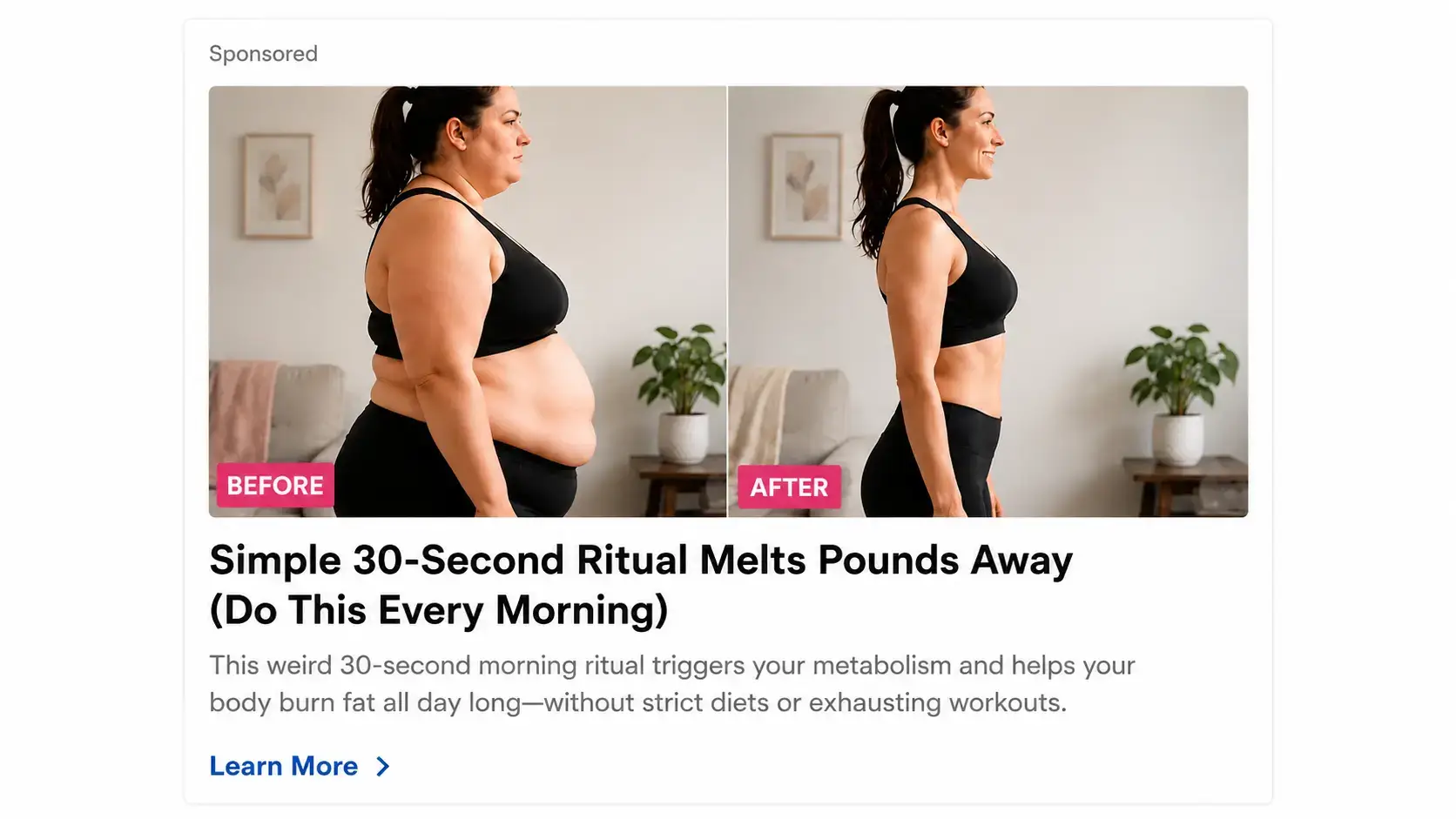
Native Ads are sponsored placements that blend into news sites, magazines, and portals. Marked as "Sponsored", but they don't interrupt reading like banners do.
Instead of a flashy banner screaming "BUY NOW", your ad looks like a content recommendation the reader actually wants to click.


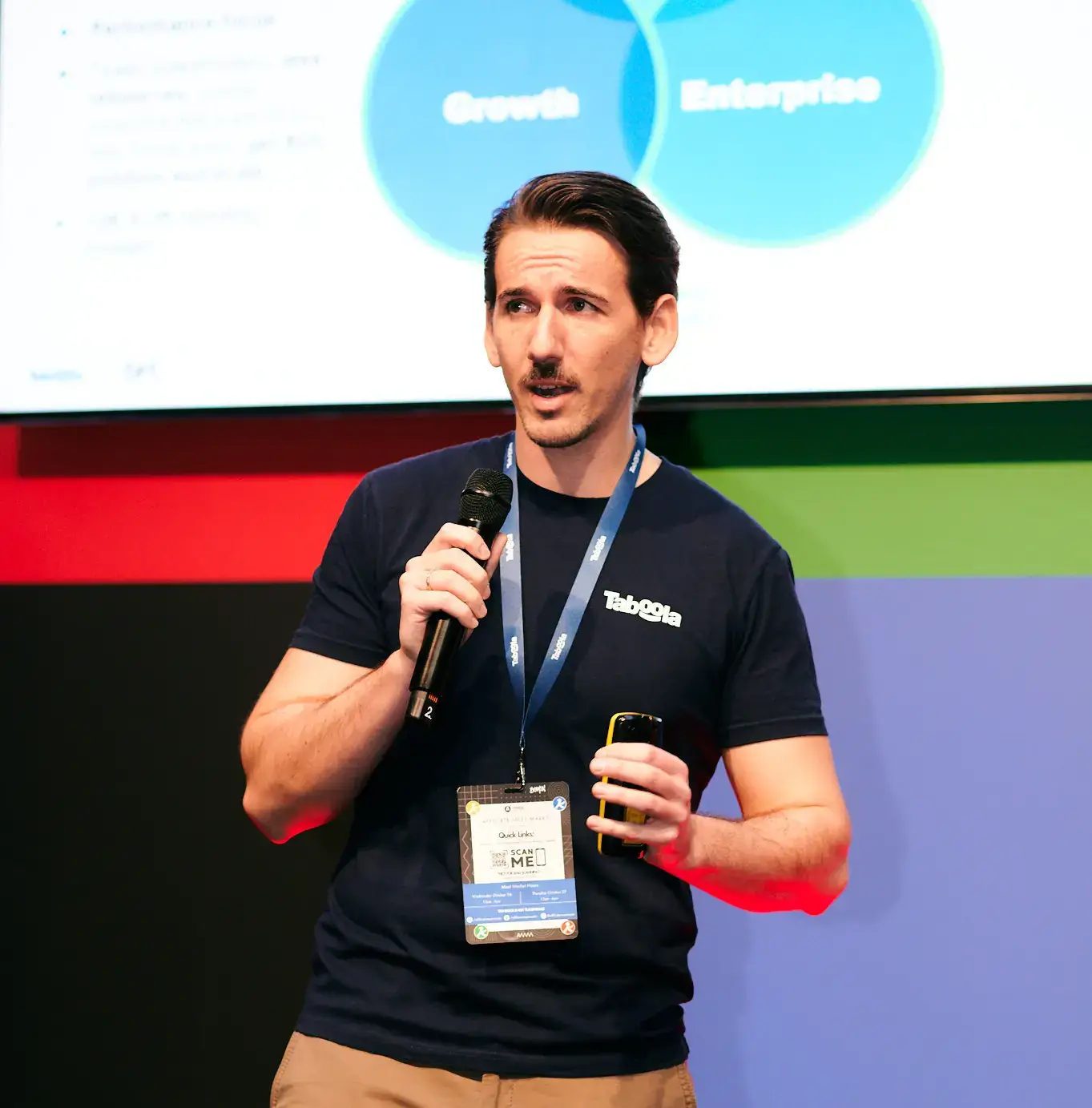
Ex-Taboola · Native Ads Consultant · Conference Speaker
I worked at Taboola for years and today I help e-commerce brands navigate Native Ads. I built this page to share what I wish someone had told me on day one – so you don't waste money starting without the right preparation.
Social & Search CPMs are rising. Audiences are exhausted. Competition keeps getting more expensive.
Native runs on different inventory – premium publishers, news sites, portals. Users who read, not scroll.
Not a replacement. The next channel when you want to scale.
Reach older, higher-purchasing-power segments barely reachable on Social anymore.
Less competition – you're bidding in completely different inventory than your Social competitors.
Readers in article mode are in a different headspace than feed scrollers.
Still underestimated by most brands. For the right products and setup, Native can be a serious growth channel.
Most brands fight for the same social feeds. Native Ads are still under the radar in many industries – less crowded, less expensive, more opportunity.
Not every audience makes buying decisions on social. 45+ demographics read news sites and magazines – exactly where Native Ads appear. If your product needs context and trust, this is your channel.
On Social or Search you're just another account. Native platforms are smaller – support is often more personal and hands-on, especially in the beginning:
Don't want to read the whole page? No problem.
Take the Fit-Check now and find out if Native Ads could work for your shop.
Take the Fit-CheckIf you know Social or Search, you're not starting from zero. Same logic: offer, landing page, creatives, tracking, KPIs. The difference? Native works through curiosity and editorial angles, not direct product pitches.
Example: Headline Approach
❌ "Buy our ergonomic bike saddle now"
✅ "Why many cyclists over 50 use the wrong saddle without realizing it"
The real challenge isn't tech – it's the story, the angle, and the landing page.
You don't need new assets from scratch. Reframe what you have for an editorial environment. Good Native creatives don't sell immediately – they open a loop.
Your ad on a trusted news site feels different than in a noisy social feed. It's not an endorsement – but the editorial context makes it feel more like discovery than advertising. Huge for products that need trust.
Native doesn't just work in isolation. Brand discovery here lifts your other channels too:
Don't evaluate Native in isolation – it plays a role in the wider funnel.
Ready to find out if Native Ads could work for you?
The free Fit-Check gives you an honest, instant answer.
Take the Fit-CheckMost brands don't fail because Native doesn't work. They fail because they start without preparation. Wrong funnel. No tracking. No conversation with someone who would have told them upfront.
You've read the reasons why Native Ads can be a serious growth channel. Now the question is: what's the smartest first step? Here's the honest answer.
Seriously. Most brands skip the prep work, launch too early, spend money without a plan, get disappointed – and then blame the channel. That's how 80% of Native Ads failures happen. Not because Native doesn't work, but because the preparation was skipped.
Not every product, not every price point, and not every target audience works on Native. Before you invest time, money, and energy – you need an honest answer: is this channel a realistic option for your specific setup?
11 questions. ~3 minutes. No email required. Based on your answers, you get an honest, personalised assessment — plus insider tips for your first call with Realize. Built from real experience, not a generic lead funnel.
If you qualify, the next step is a free intro call with the Realize team where they assess your product, setup, and realistic KPIs. No commitment, no pressure.
Take the Free Fit-CheckFunnels, creatives, tracking, campaign structure – all of that comes later. And honestly? The platform team can help you with most of it during onboarding. But none of it matters if the fundamentals don't fit. The Fit-Check tells you exactly that.
11 questions · ~3 minutes · No email · Personalised score + insider tips for your call with Realize.
If you've never run native ads before, these are the questions that come up in almost every first conversation. We've answered them as clearly as possible — so you come to the call prepared, not confused.
There's no single answer — it always depends on your target CPA. That said, for a meaningful test that gives you enough data to actually learn something, plan for around $10,000. That's not a hard rule, but it's a realistic starting point. As for timing: allow three to four weeks before drawing any conclusions. Native ads have a learning phase, and cutting it short is one of the most common reasons brands write off the channel too early.
Yes — and the logic is similar to what you know from social platforms. You can target by interest, demographics, and behavior. You can also exclude audiences. That said, the general recommendation on native is to start broad. Over-targeting too early limits the algorithm's ability to find what works. One powerful tool worth discussing in your intro call is publisher whitelisting — which lets you serve ads only on specific sites that match your audience. It's not for everyone, but for the right brand it can make a real difference.
Native ads need to look native — meaning they should fit naturally into a news or editorial environment. A few principles that consistently perform well:
The goal is for your ad to feel like a content recommendation, not a promotion. If it looks like a banner, it won't perform like native.
Strategically, a dedicated landing page almost always outperforms a direct product page on native traffic. The formats that work best are advertorials, listicles, or hybrid versions of both. Here's why: your ad creative attracts curiosity and frames a problem — often in a news-style headline. The click brings someone who's interested but not yet ready to buy. The advertorial does the convincing. Then the product page closes. Sending cold native traffic directly to a product page skips the trust-building step and typically results in poor conversion rates.
You have several options. The standard approach is the Taboola pixel — a straightforward implementation similar to other ad pixels. If you're running server-to-server tracking, that's supported too. For e-commerce brands using Shopify, there's a dedicated Taboola app that simplifies the integration significantly. Third-party attribution tools like Triple Whale are also compatible. The key is to set this up correctly before you launch — not after. Your intro call with Realize is the right moment to walk through your existing stack and find the cleanest integration path.
The default attribution window on native platforms is typically 30 days post-click and 24 hours post-view — though this varies by platform and can usually be adjusted in the campaign settings. Note: these figures are indicative and subject to change — confirm the current defaults directly with your platform contact. Because native sits higher in the funnel than search or retargeting, view-through attribution can overcount if you're not careful. It's worth aligning your native attribution settings with your overall measurement approach across channels to avoid double-counting.
Native advertising on platforms like Taboola/Realize is CPC-based — you pay per click, not per impression. This is one of the structural advantages of the channel: you're only paying when someone actively engages with your content. CPM-based buying is possible on some placements, but CPC is the standard model for performance-focused campaigns.
This varies by platform and account setup. Credit card is the most common and widely accepted method to get started. For larger budgets, credit lines are often available — but this is typically arranged directly with a platform representative rather than being a self-serve option. If payment terms are important to your setup, it's worth raising this in your intro call so the right structure can be put in place from the start.
Short answer: no. The creative approach on native is fundamentally different from social. On social, you're interrupting a scroll — so bold visuals and immediate hooks work. On native, you're appearing within editorial content — so the creative needs to match that environment. A high-performing social ad will typically underperform on native, and vice versa. You don't necessarily need a huge production budget, but you do need to think through the format, the angle, and the landing experience specifically for native.
Native advertising tends to reach a slightly older, more content-engaged audience compared to social platforms. This is because native ads appear on open web properties — news sites, magazines, editorial platforms — where users go to read and consume information rather than scroll through a feed. If your target customer is 35+, native is particularly strong. That said, the audience varies significantly by publisher and targeting setup — which is another reason to have that first conversation before making assumptions.
Yes. Platforms like Taboola/Realize operate in a large number of countries, making international expansion a realistic option within the same ecosystem you're already using. You can set up separate campaigns or account structures per market, adapt creative and language accordingly, and manage budgets independently. If you're already scaling in one market and looking to expand, native is a viable channel to do that — without having to rebuild your entire setup from scratch.
The main players in the space include:
There are other platforms in the space as well — this list covers the most widely used ones.
Still have questions? The best place to get them answered is the intro call.
Take the Fit-Check to see if you qualifyYou've read a lot on this page. But reading alone doesn't tell you whether Native Ads actually make sense for your specific shop, product, and setup. That's exactly why the Fit-Check exists.
It's a thorough, honest filter – 11 questions, ~3 minutes. Based on your answers, you get a personalised score, a summary of your answers, and concrete insider tips for your first call. No sugarcoating, no generic advice.
What happens if your result looks positive?
If the Fit-Check indicates that Native Ads could be a realistic channel for you, you get the option to book a free intro call with the Realize team. No obligation, no commitment – just a conversation.
Why does a call like that actually make sense?
Because you're not talking to a generic sales rep. You're talking to a team that specializes in onboarding e-commerce brands onto Native platforms. In that call, they can assess things no Fit-Check can cover:
Think of it as a second opinion before you invest any budget. The Fit-Check gives you a rough signal – the call gives you a real assessment from people who do this every day.